





































































































The Best Investment
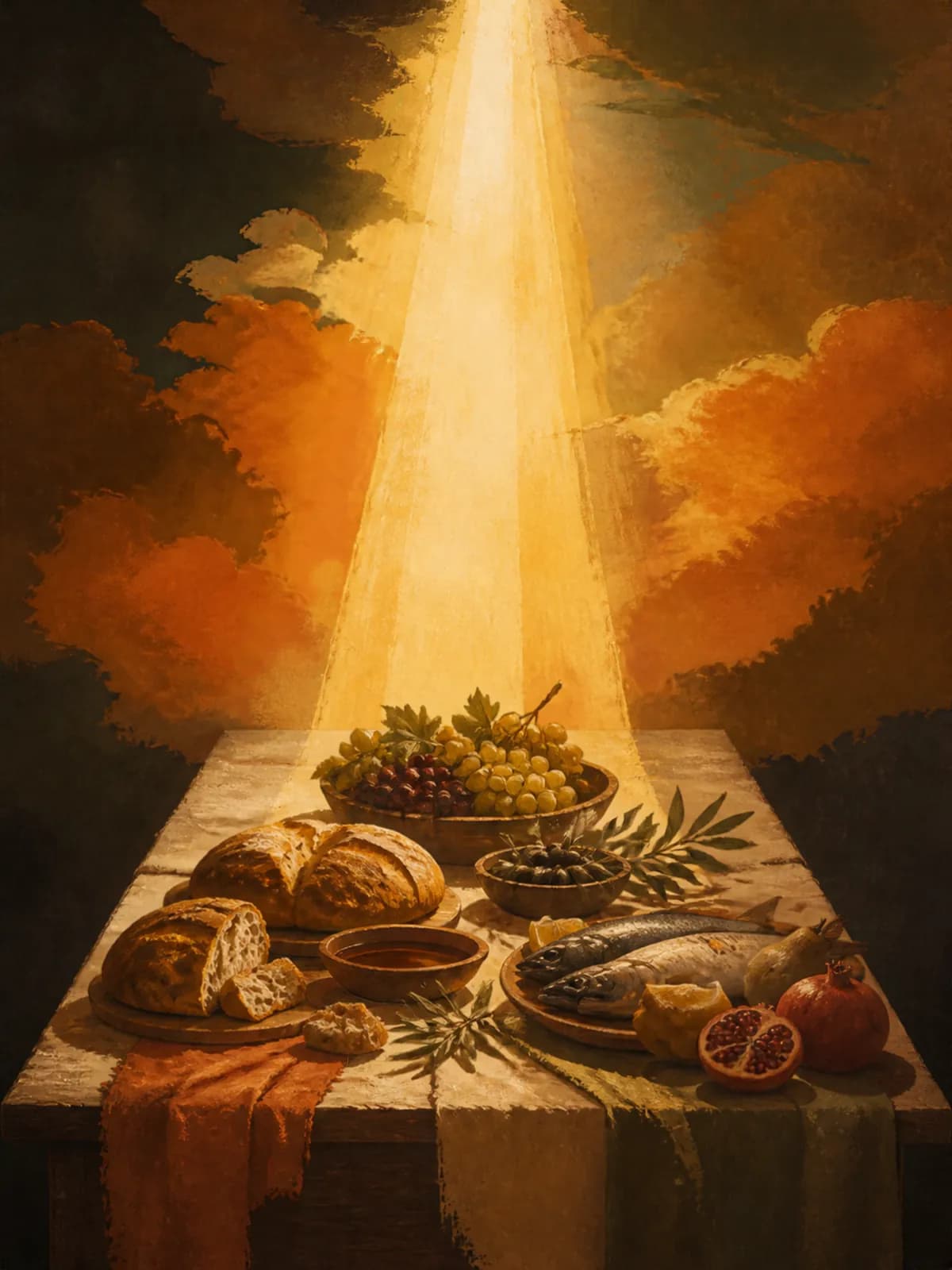
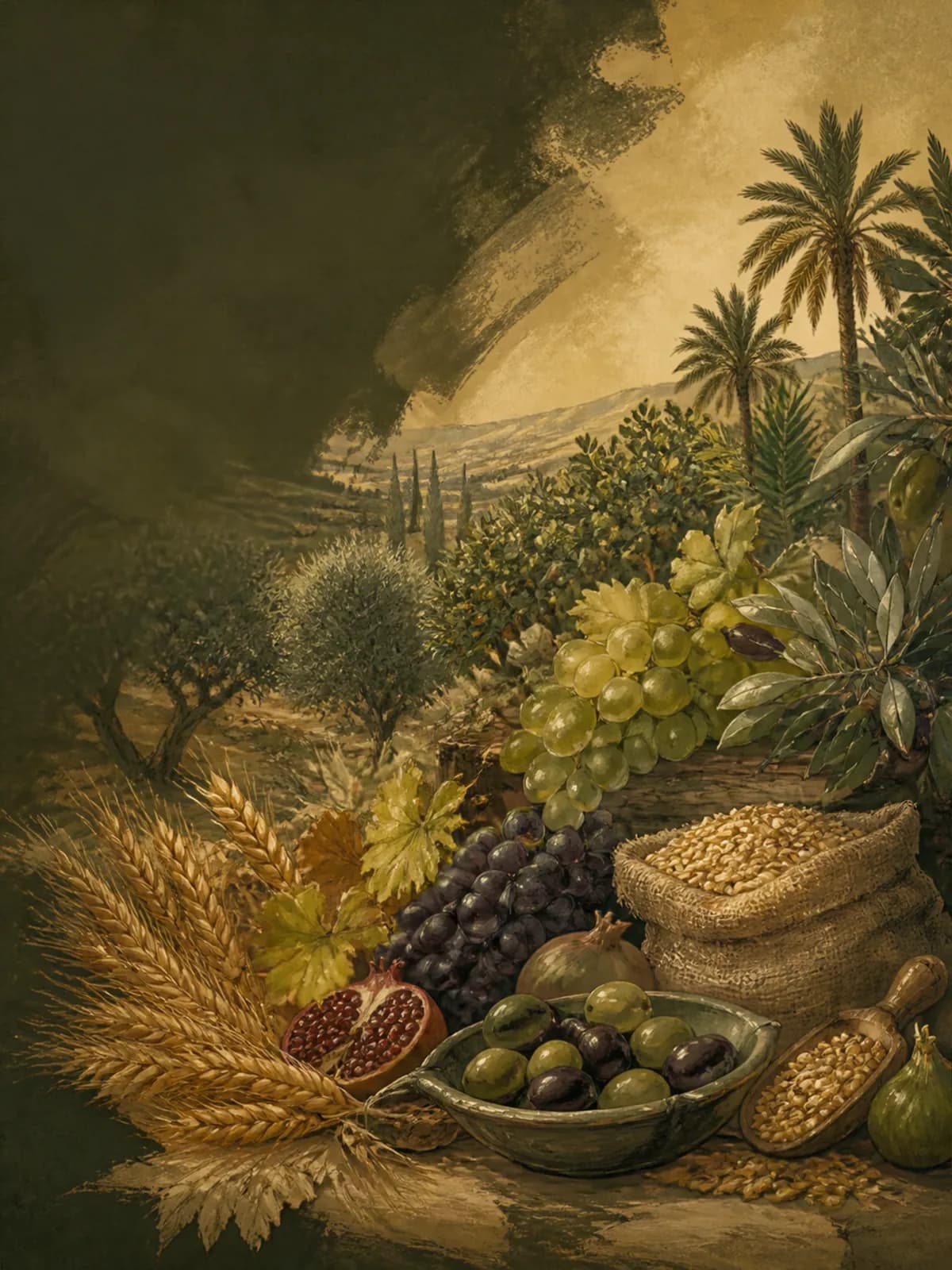
The example of those who spend their monies in the cause of GOD is that of a grain that produces seven spikes, with a hundred grains in each spike. GOD multiplies this manifold for whomever He wills. GOD is Bounteous, Knower.

In the Quran, charity is a way of giving back to God, and it runs through faith, worship and how a community treats its weakest members. The Quran makes it part of righteousness itself. Facing east or west is not what counts. The righteous are those who believe and who "give the money, cheerfully, to the relatives, the orphans, the needy, the traveling alien, the beggars, and to free the slaves," who pray, and who "give the obligatory charity (Zakat)" (2:177). Without it, faith is not real. The Quran's description of the one "who really rejects the faith" points to someone who mistreats orphans, "does not advocate the feeding of the poor," and in the end "forbid[s] charity" (107:1-7).
The Quran speaks of charity in a few layers. The first is Zakat, the obligatory charity. Its importance shows in God's law: His mercy encompasses all things, but He specifies it for those who lead a righteous life and give Zakat (7:156). The Quran ties it to income: "give the due alms on the day of harvest" (6:141). Dr. Khalifa explains that this means Zakat is given whenever income comes in, not once a year, and that "the proportion that came to us through Abraham is 2.5% of our net income" (6:141). It goes to "the parents, the relatives, the orphans, the poor, and the traveling alien" (2:215), and Dr. Khalifa reads this as an order of priority. He adds that government taxes are deducted, but debts, mortgages and living expenses are not, and that gifts to mosques or hospitals cannot be counted as Zakat. In his recordings he describes Zakat as a steady flow of money to needy people you personally know, while general charity (sadaqa) is the giving you do on the spot, all year long. Beyond Zakat, the Quran sets out a wider system of charities. These reach the needy, the workers who collect them, new converts, slaves to be freed, people burdened by sudden expenses, and the cause of God (9:60).
The Quran is concerned with what is given and in what spirit. "You cannot attain righteousness until you give to charity from the possessions you love" (3:92). Believers must give "from the good things you earn" and must not pick out the bad, which they would not accept themselves (2:267). When people ask how much, the answer is "The excess" (2:219). This is balanced against two dangers. The Quran condemns stinginess and also warns against giving so freely that you end up "blamed and sorry" (17:26-29). Even when you cannot give, you must treat the person asking "in the nicest manner" (17:28).
The verses on intention bear on each other closely. Charity followed by insult or harm is nullified, like soil washed off a rock (2:262-264), and "Kind words and compassion are better than a charity that is followed by insult" (2:263). Giving openly is still good, but giving anonymously to the poor "is better for you, and remits more of your sins" (2:271). It must be "for the sake of GOD" (2:272). The Quran also asks the giver to notice dignified poverty: some people seem rich "due to their dignity," but you can recognize them because "they never beg from the people persistently" (2:273). It follows that charity takes attention to the people around you, not just money.
Finally, the Quran presents charity as the best investment, not a loss. Spending in God's cause is like a grain that grows seven spikes of a hundred grains each (2:261). Giving out of sincere conviction is like a garden on fertile high ground that yields double (2:265). The Quran names what holds people back: "The devil promises you poverty," while God promises forgiveness and grace (2:268). So what the Quran asks of you is to give regularly and from good things, quietly and kindly, beginning with those closest to you, and to trust that "Any charity you give is for your own good" (2:272). Those who give "night and day, secretly and publicly" are promised that "they will have nothing to fear, nor will they grieve" (2:274).
SubmissionAI can make mistakes. Check the sources.
The example of those who spend their monies in the cause of GOD is that of a grain that produces seven spikes, with a hundred grains in each spike. GOD multiplies this manifold for whomever He wills. GOD is Bounteous, Knower.
Those who spend their money in the cause of GOD, then do not follow their charity with insult or harm, will receive their recompense from their Lord; they have nothing to fear, nor will they grieve.
Kind words and compassion are better than a charity that is followed by insult. GOD is Rich, Clement.
O you who believe, do not nullify your charities by inflicting reproach and insult, like one who spends his money to show off, while disbelieving in GOD and the Last Day. His example is like a rock covered with a thin layer of soil; as soon as heavy rain falls, it washes off the soil, leaving it a useless rock. They gain nothing from their efforts. GOD does not guide disbelieving people.
The example of those who give their money seeking GOD's pleasure, out of sincere conviction, is that of a garden on high fertile soil; when heavy rain falls, it gives twice as much crop. If heavy rain is not available, a drizzle will suffice. GOD is Seer of everything you do.
Any charity you give, or a charitable pledge you fulfill, GOD is fully aware thereof. As for the wicked, they will have no helpers.
If you declare your charities, they are still good. But if you keep them anonymous, and give them to the poor, it is better for you, and remits more of your sins. GOD is fully Cognizant of everything you do.
You are not responsible for guiding anyone. GOD is the only one who guides whoever chooses (to be guided). Any charity you give is for your own good. Any charity you give shall be for the sake of GOD. Any charity you give will be repaid to you, without the least injustice.
Charity shall go to the poor who are suffering in the cause of GOD, and cannot emigrate. The unaware may think that they are rich, due to their dignity. But you can recognize them by certain signs; they never beg from the people persistently. Whatever charity you give, GOD is fully aware thereof.
Those who give to charity night and day, secretly and publicly, receive their recompense from their Lord; they will have nothing to fear, nor will they grieve.
O you who believe, you shall give to charity from the good things you earn, and from what we have produced for you from the earth. Do not pick out the bad therein to give away, when you yourselves do not accept it unless your eyes are closed. You should know that GOD is Rich, Praiseworthy.
The devil promises you poverty and commands you to commit evil, while GOD promises you forgiveness from Him and grace. GOD is Bounteous, Omniscient.
Therefore, you shall reverence GOD as much as you can, and listen, and obey, and give (to charity) for your own good. Anyone who is protected from his own stinginess, these are the successful ones.
If you lend GOD a loan of righteousness, He will multiply the reward for you manifold, and forgive you. GOD is Appreciative, Clement.