











































Re-arrange Your Priorities
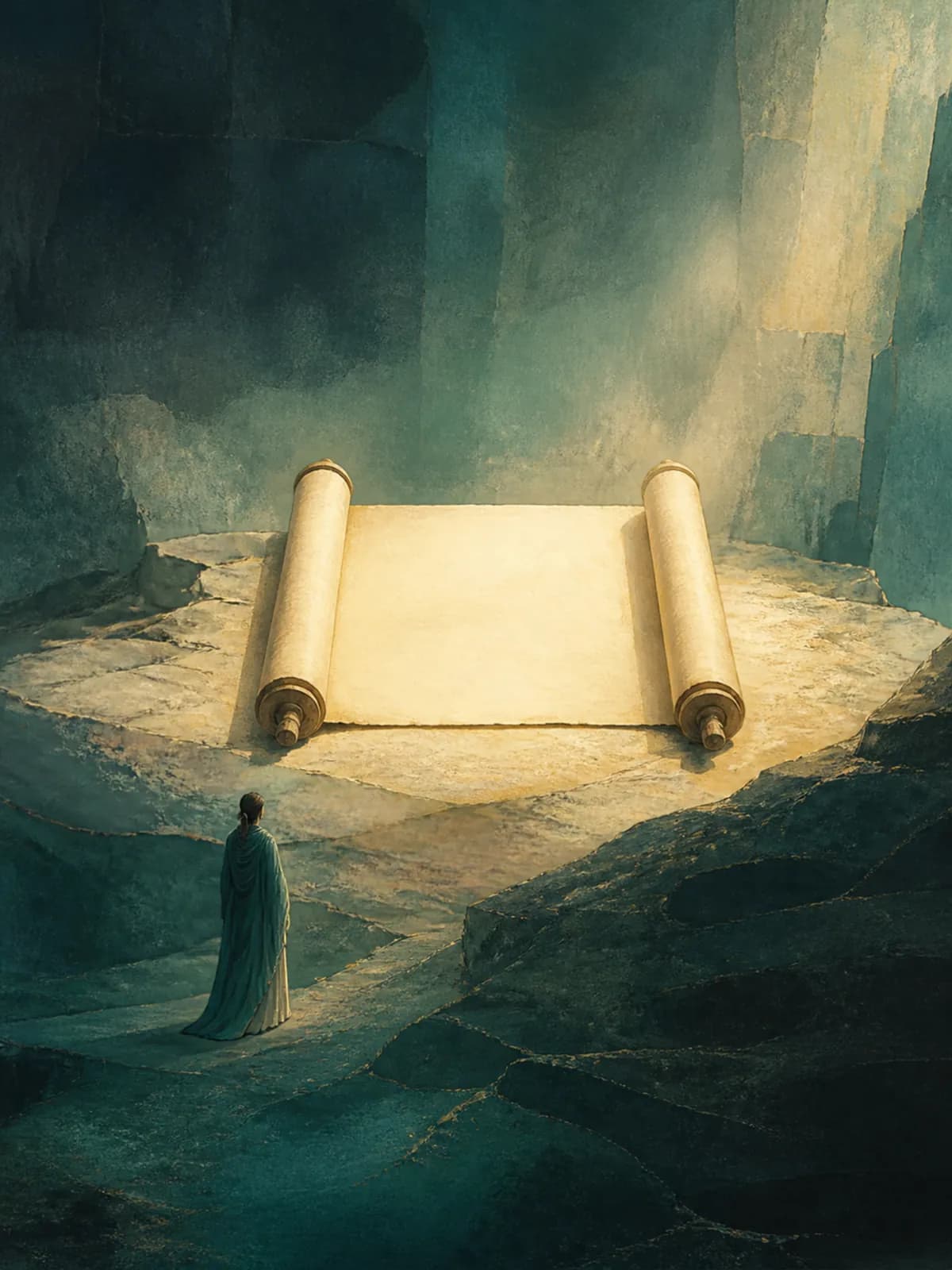
This worldly life is no more than vanity and play, while the abode of the Hereafter is the real life, if they only knew.

The Quran teaches that the Hereafter is the real life and this world is the brief test before it. "This worldly life is no more than vanity and play, while the abode of the Hereafter is the real life, if they only knew" (29:64). Every soul tastes death and is then repaid on the Day of Resurrection, and "Whoever misses Hell, barely, and makes it to Paradise, has attained a great triumph. The life of this world is no more than an illusion" (3:185). Believing in the Last Day is one of the three basic requirements for salvation, together with believing in God and leading a righteous life, and anyone who meets them, whatever their label, "will receive their recompense from their Lord" (2:62).
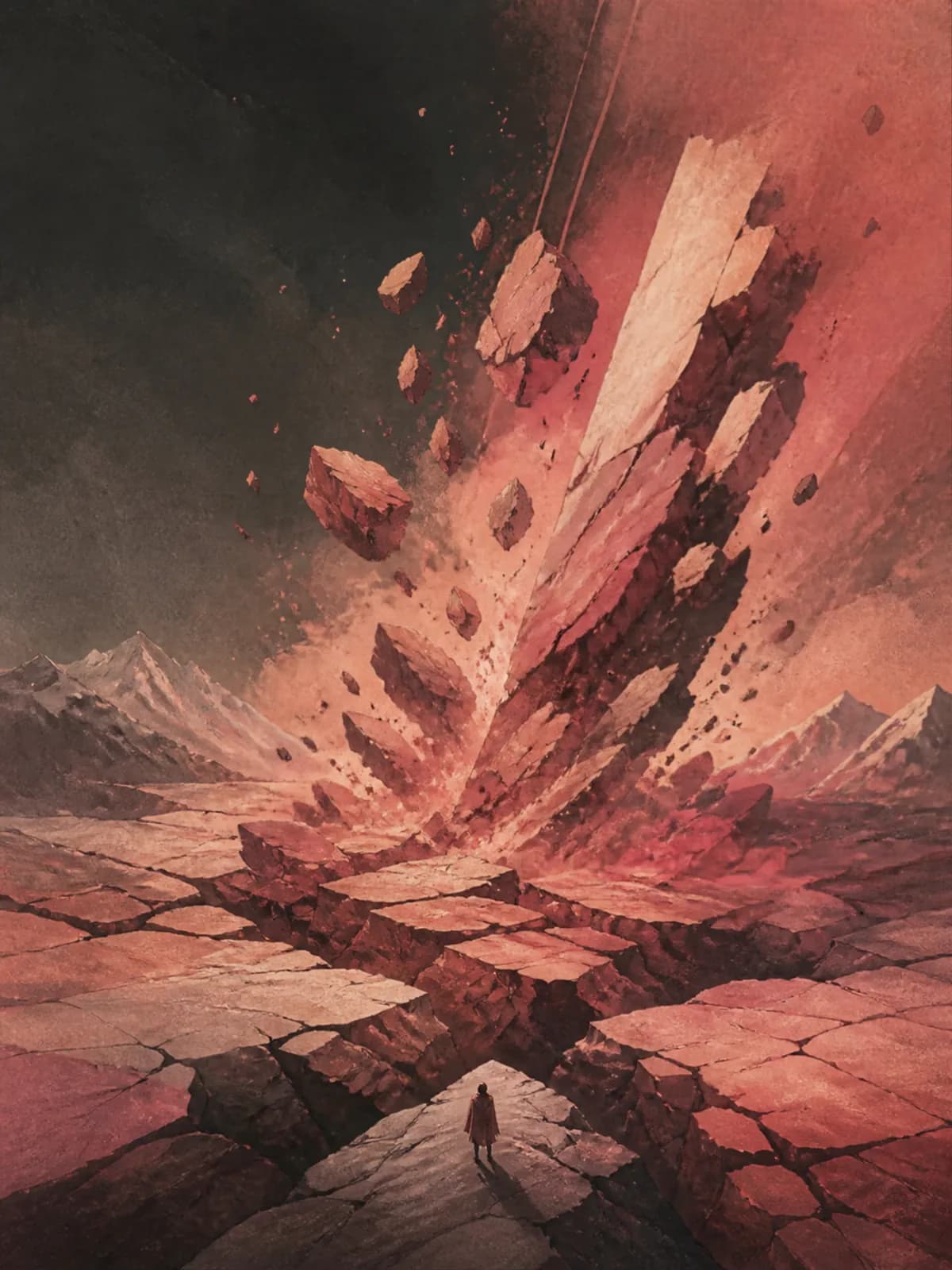
The Quran speaks of the Hereafter under several names: the Last Day, the Day of Resurrection, the final return to God, and the destinies of Paradise and Gehenna. To those who ask, "Who can resurrect the bones after they had rotted?", it answers that "The One who initiated them in the first place will resurrect them" (36:78-79). It also uses daily sleep as a small picture of the same thing: God "puts you to death during the night" and "resurrects you every morning, until your life span is fulfilled, then to Him is your ultimate return" (6:60). On that Day the horn is blown, everyone is struck unconscious, and at the second blowing "they will all rise up, looking" (39:68). In his footnote to that verse, Dr. Khalifa explains that this earth is then destroyed by God's physical coming, a new earth and heavens are created, and people are stratified according to their degree of development. Judgment is exact: "Whoever does an atom's weight of good will see it. And whoever does an atom's weight of evil will see it" (99:7-8). The Paradise that follows is permanent, since its dwellers "abide therein forever" (10:26).
Dr. Khalifa drew on verses about the moment of death to show that, for the righteous, the next life begins right away. The man in Sura 36 was told at his death, "Enter Paradise," and wished his people knew that his Lord had forgiven him (36:26-27). In Dr. Khalifa's words, "the righteous do not really die; they simply move on to the same Paradise where Adam & Eve lived" (36:26). Disbelievers, he explains, go through two deaths (2:28, 40:11) and spend the time until the Day of Judgment in a continuous nightmare in which they see Hell, while Hell itself does not yet exist (40:46, 89:23). He also points out that the Quran rejects the comfortable idea of a short stay in Hell followed by Paradise (2:80).
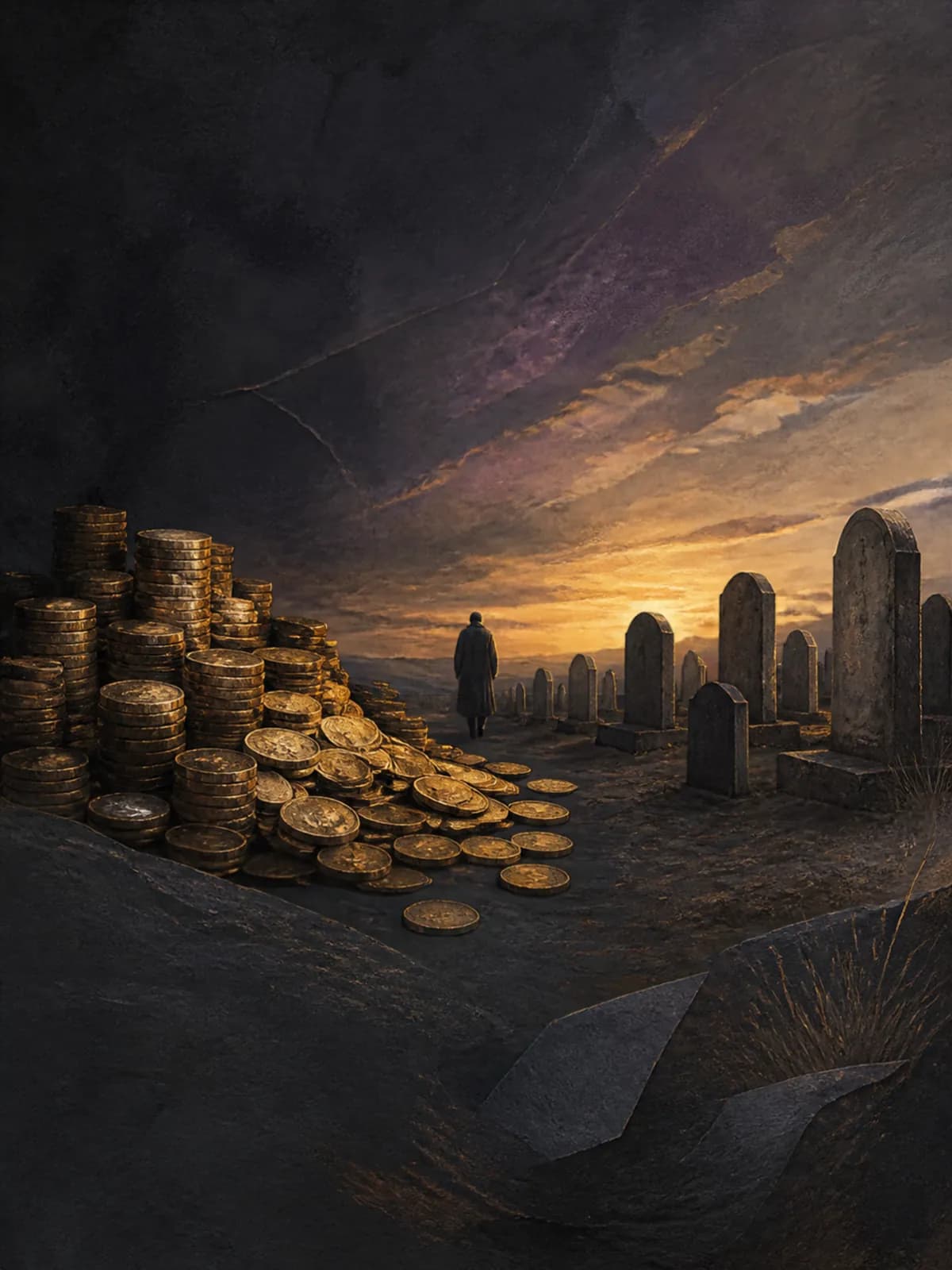
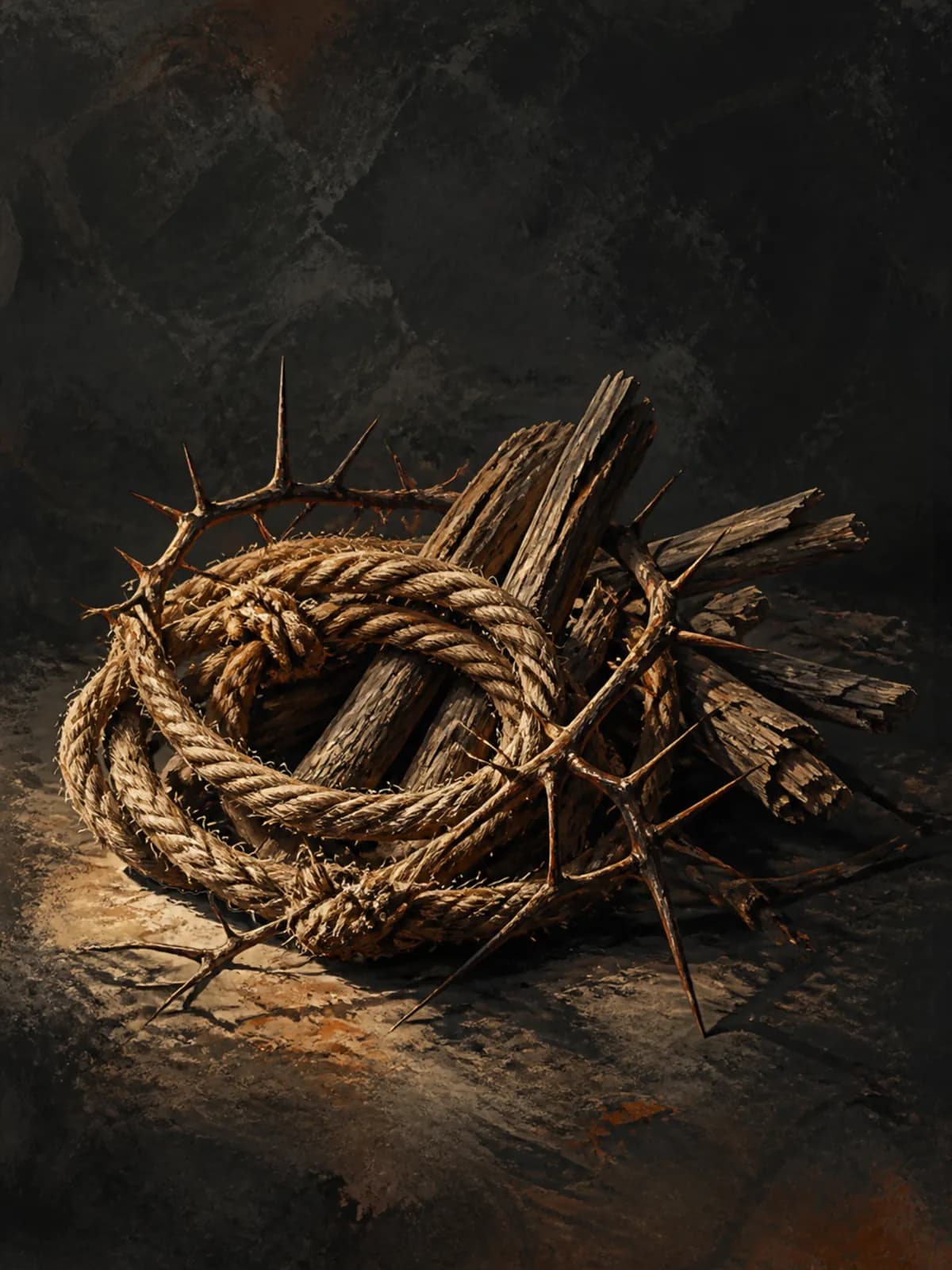
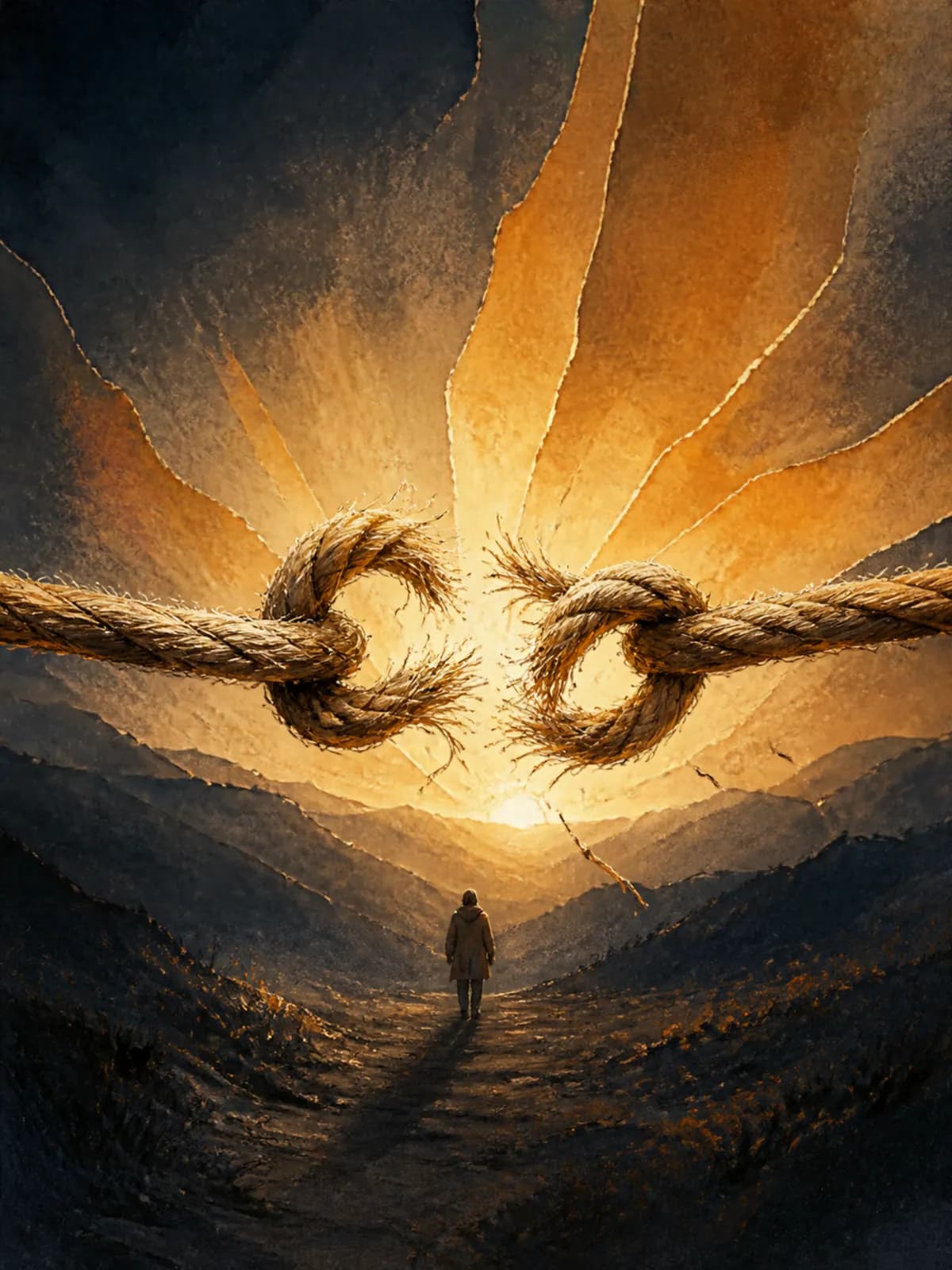
The verses connect the Hereafter directly to how we set our priorities. The Quran puts the choice side by side. Whoever makes "this fleeting life" the priority is given what God decides in this world and then committed to Gehenna, while "those who choose the Hereafter as their priority, and work righteousness, while believing, their efforts will be appreciated" (17:18-19). God provides for both groups in this life, but "the differences in the Hereafter are far greater and far more significant" (17:20-21). It follows that believing in the Hereafter is not only an opinion about the future. It shows in what a person lives for now.
That is why the Quran gives tests that show whether our belief in the Hereafter is real or just lip service. The minds of those who do not believe in the Hereafter are drawn to fabrications attributed to the prophets and accept them, which "expose[s] their real convictions" (6:112-113). Such people flee when the Quran alone is preached (17:46). And "When GOD ALONE is mentioned, the hearts of those who do not believe in the Hereafter shrink with aversion. But when others are mentioned beside Him, they become satisfied" (39:45). Dr. Khalifa called this the Greatest Criterion. He applied it to adding Muhammad's name, or any name, beside God's in the declaration of faith, the call to prayer, and the Contact Prayers. He wrote that believing in God is easy, but believing in the Hereafter is the major obstacle, because most people who believe in God still fall short there.
So the Quran asks readers to check themselves honestly rather than simply claim the belief. They should make the Hereafter their priority, uphold the Quran alone, rejoice when God alone is mentioned, and live righteously, knowing that every deed, down to an atom's weight, will be shown on a Day that no one escapes.
SubmissionAI can make mistakes. Check the sources.
Everything that is given to you is only the material of this life, and its vanity. What is with GOD is far better, and everlasting. Do you not understand?
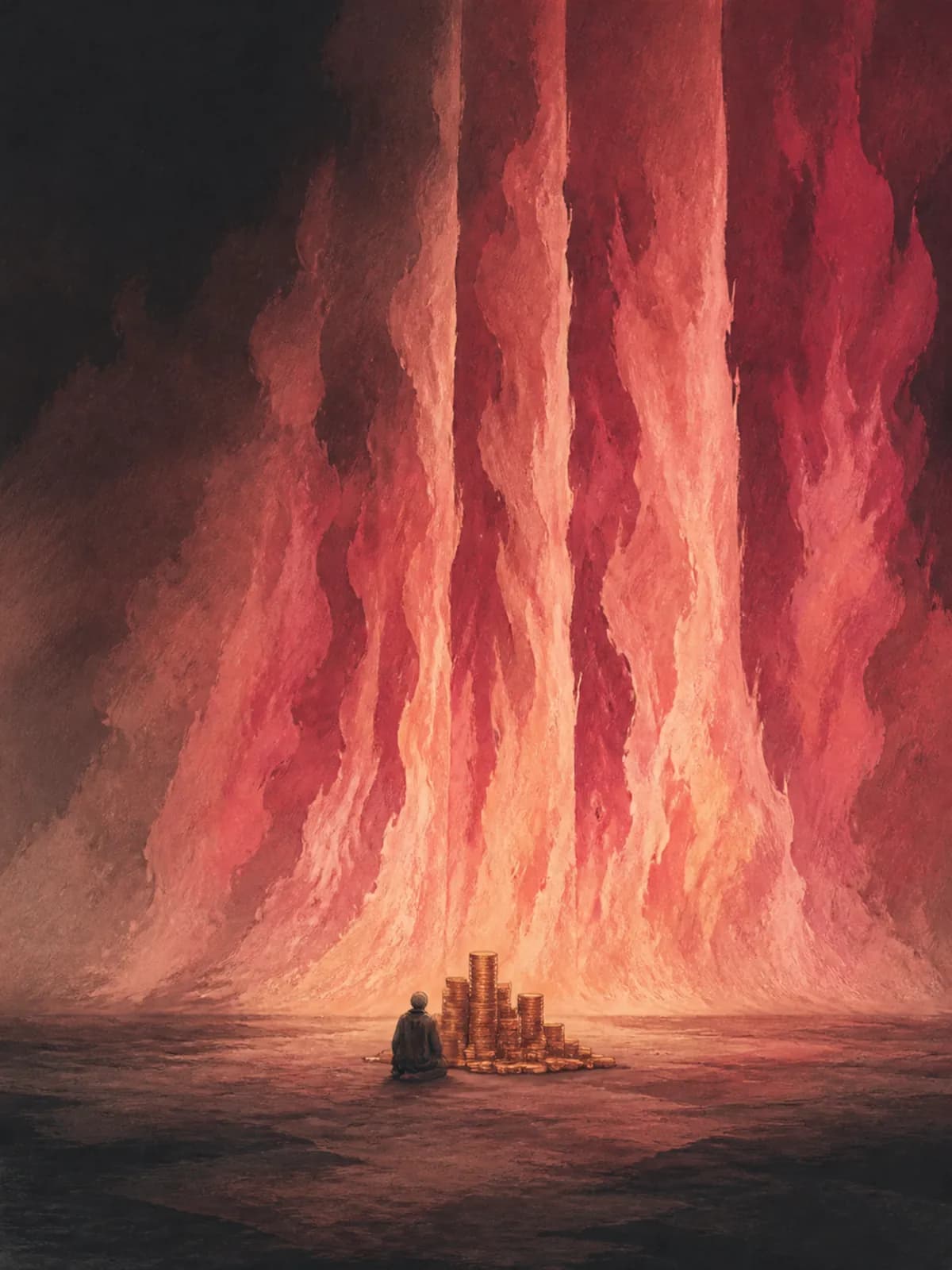
Is one whom we promised a good promise that will surely come to pass, equal to one whom we provide with the temporary materials of this life, then suffers eternal doom on the Day of Resurrection?
They care only about things of this world that are visible to them, while being totally oblivious to the Hereafter.
Why do they not reflect on themselves? GOD did not create the heavens and the earth, and everything between them, except for a specific purpose, and for a specific life span. However, most people, with regard to meeting their Lord, are disbelievers.