















































































































Elias
Elias was one of the messengers.

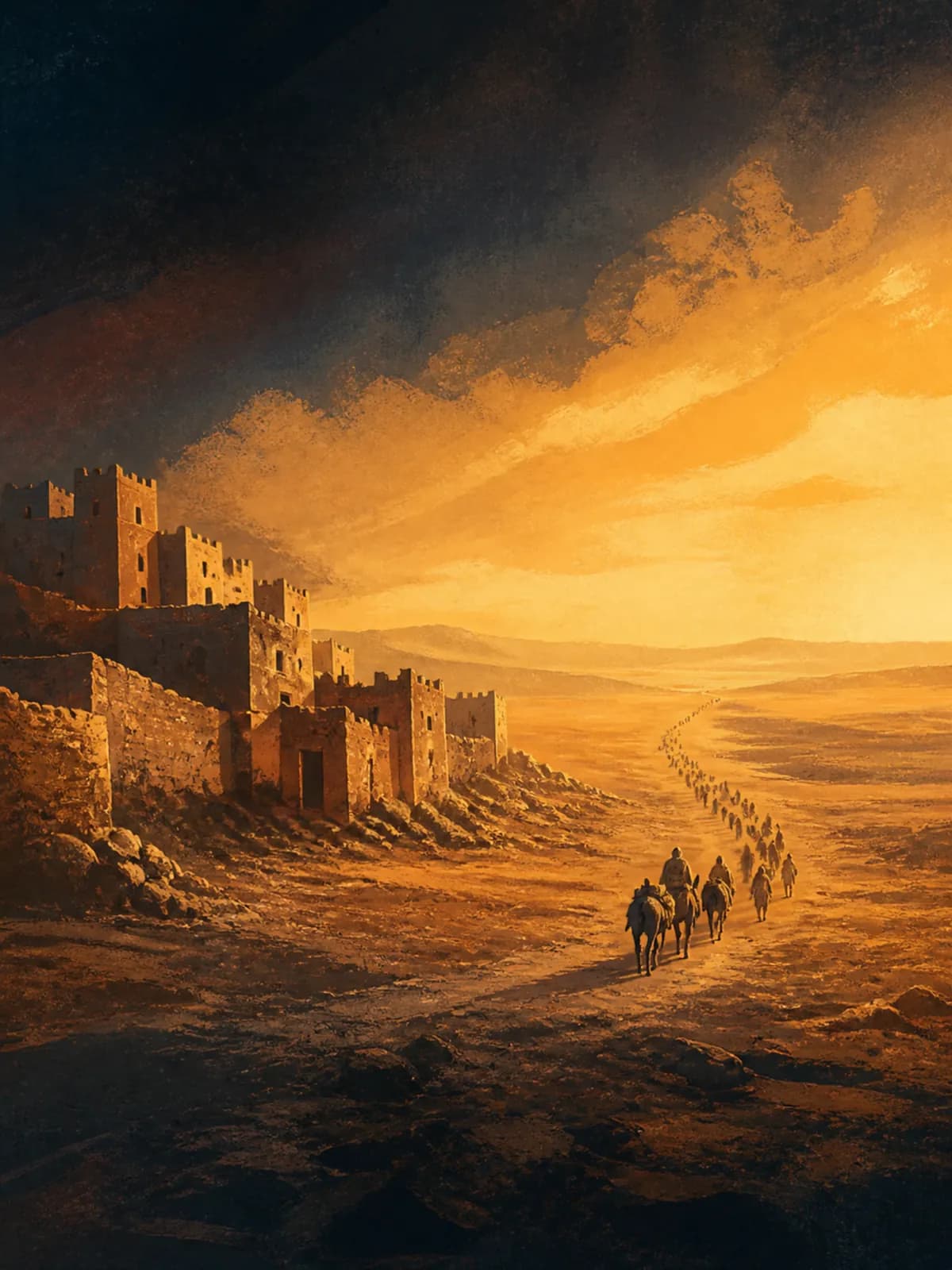
Elias was one of God's messengers (37:123), the prophet known in the Bible as Elijah. The Quran lists him with Zachariah, John, and Jesus and says "all were righteous" (6:85). He was sent to his own people, who had turned from God to the worship of an idol.
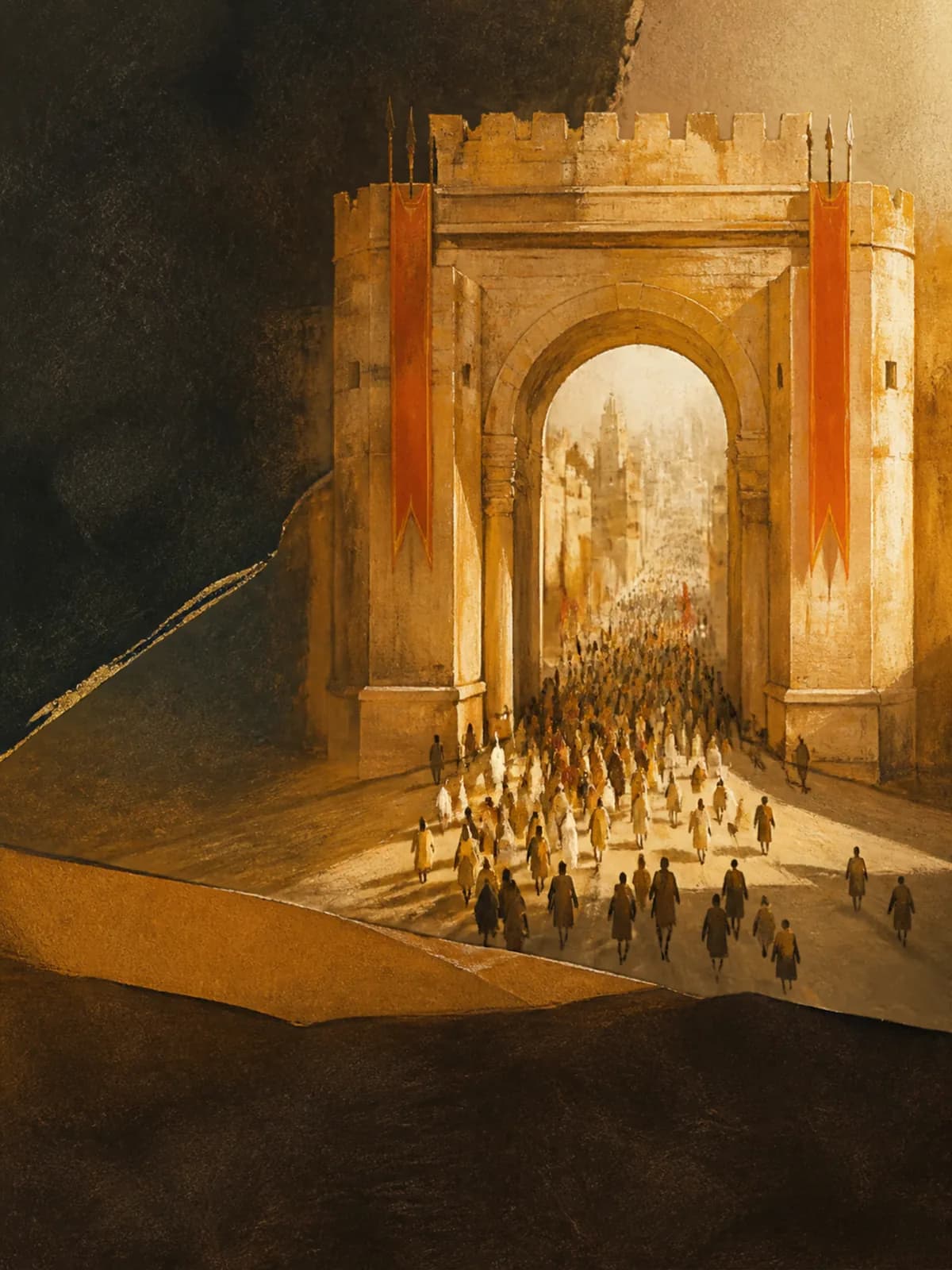
The Quran's account of his mission begins with his call to them: "Would you not work righteousness? Do you worship a statue, instead of the Supreme Creator? GOD; your Lord, and the Lord of your forefathers!" (37:124-126). The Arabic word rendered "statue" here is Ba'l, the name of the Canaanite god Baal. Elias was not bringing his people a new god. He was calling them back to the Lord their own forefathers had worshiped.
They disbelieved him, and as a result "they had to be called to account" (37:127). Only those who were "absolutely devoted to Him alone" were saved (37:128). The Quran Talk blog fills in what the Bible remembers of this conflict. Elijah challenged the prophets of Baal to have their god send fire onto an offering, and nothing happened. Then he soaked his own altar and sacrifice with water and prayed to the Lord, and fire from heaven consumed the offering, the wood, the stones, and even the water. The people declared the Lord as God, and the drought that had afflicted the land ended. The Quran itself does not tell these details. It keeps to the heart of the matter: one messenger calling his people from an idol back to God alone.
God then honored him: "We preserved his history for subsequent generations. Peace be upon Elias, and all those like Elias. We thus reward the righteous. He was one of our believing servants" (37:129-132). The blessing in 37:130 uses an unusual plural form of his name, Il-Yasin. The Quran Talk blog reads it as a blessing on Elias and on everyone who stands as he stood. The Bible names Elisha as his successor, and the Quran mentions Elisha in the very next verse after Elias in its list of prophets (6:86).
The Quran also says what to take from his story. Elias belongs to the line of prophets about whom the Quran says, "Had any of them fallen into idolatry, their works would have been nullified" (6:88), and of whom it says, "These are the ones guided by GOD; you shall be guided in their footsteps" (6:90). His whole message was the one these verses ask us to follow: worship God alone and leave every idol, however popular. Salvation comes to those devoted to God alone (37:128), and God's peace rests on all who carry that message as Elias did.
Verses
Library
SubmissionAI can make mistakes. Check the sources.