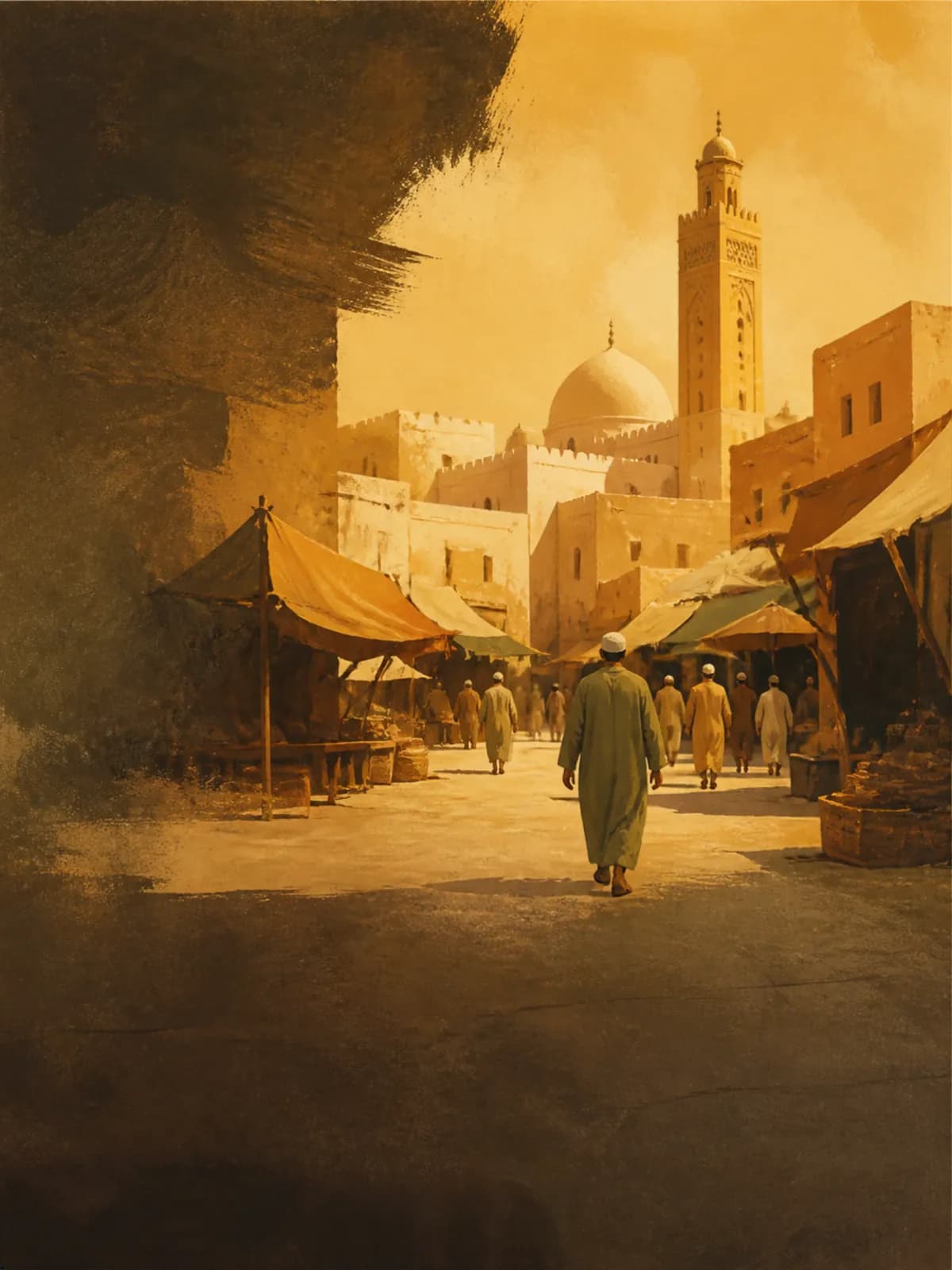
Shu'aib was a messenger of God sent to the people of Midyan. The Quran calls him "their brother" (7:85, 11:84, 29:36), which means he was one of them. Midyan is also called "the People of the Woods," and one verse joins the two names: "the dwellers of the Woods (of Midyan)" (38:13). His people were prosperous traders (11:84). They had been few, and God had multiplied them (7:86).
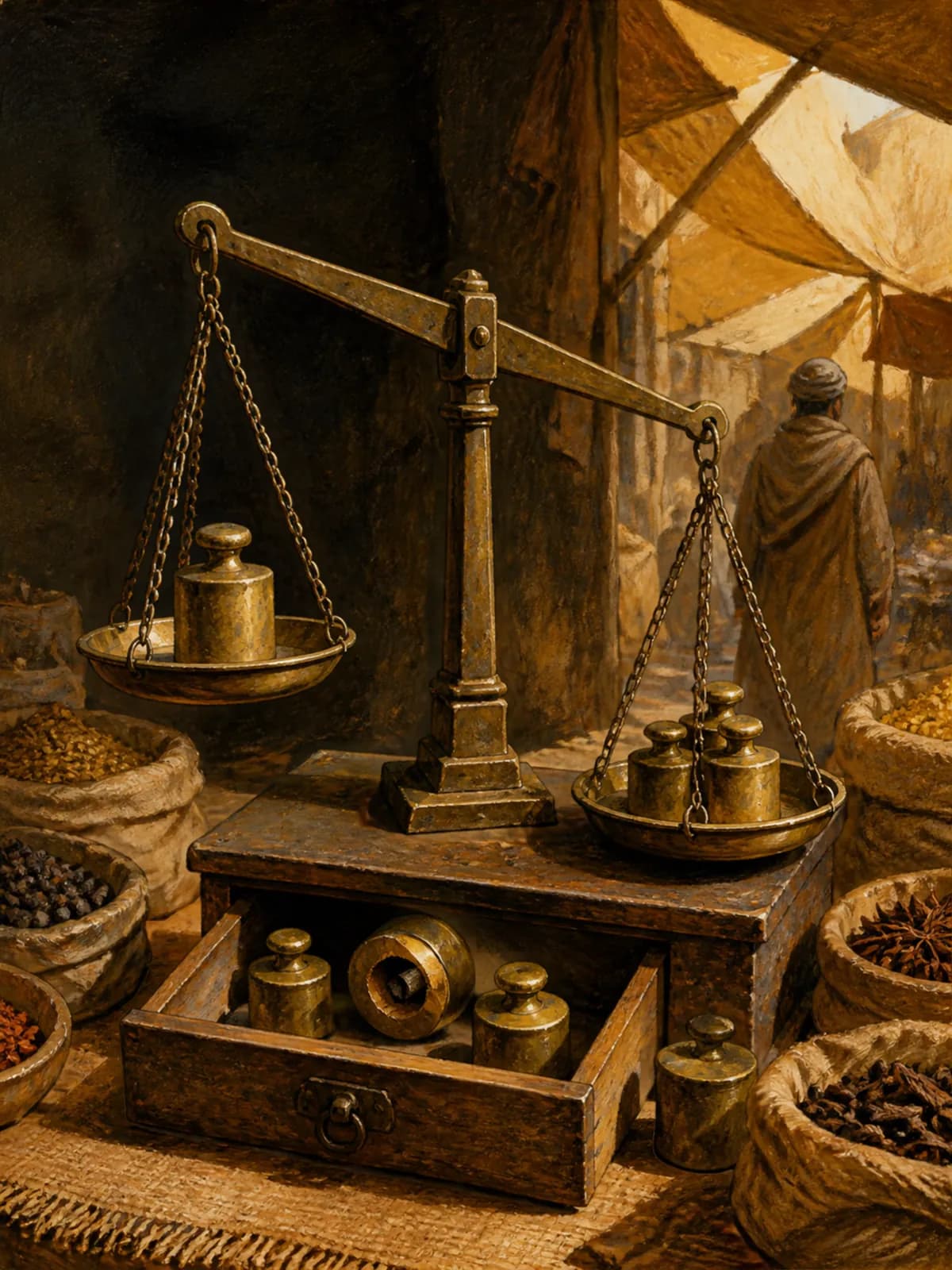
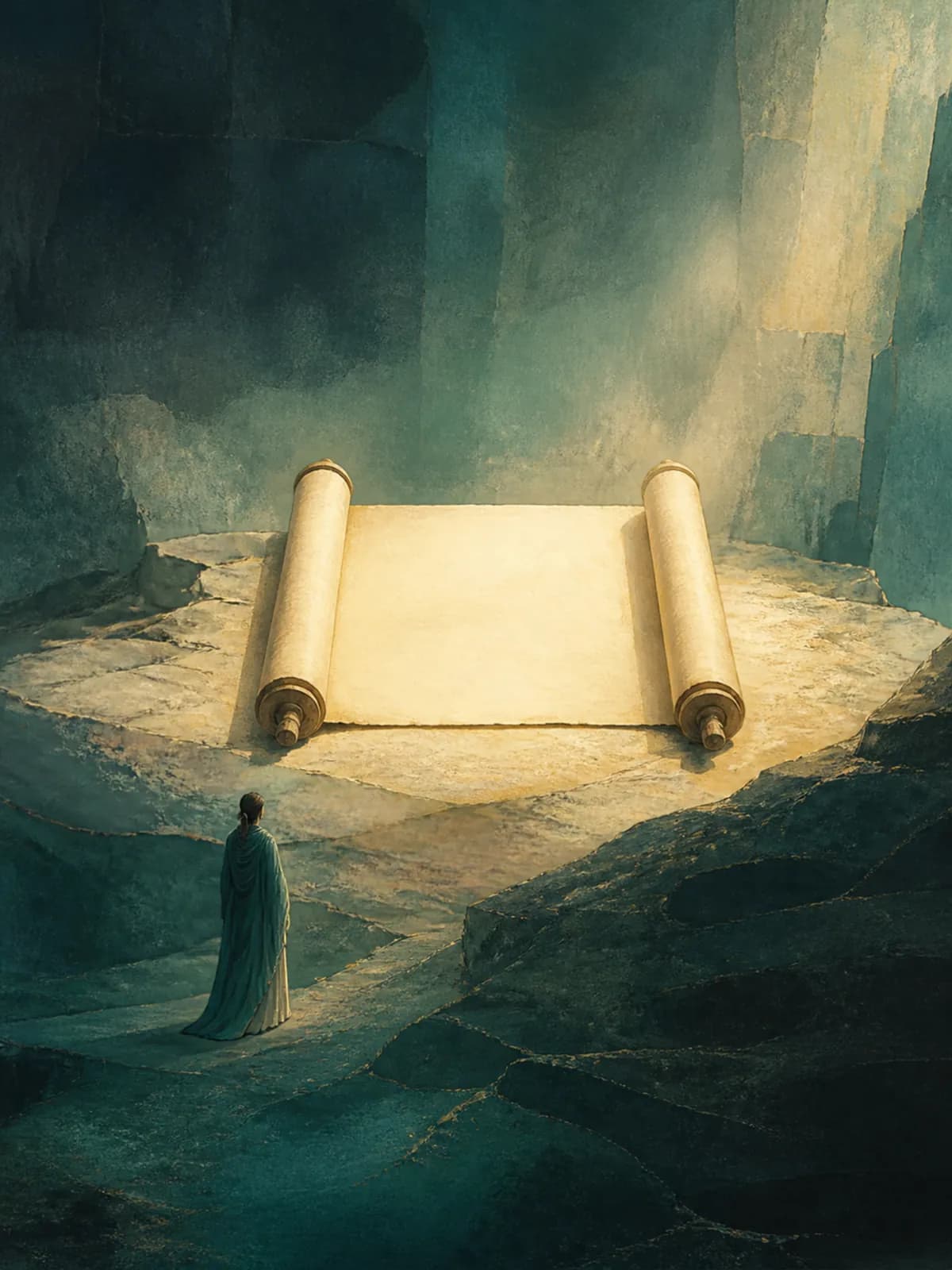
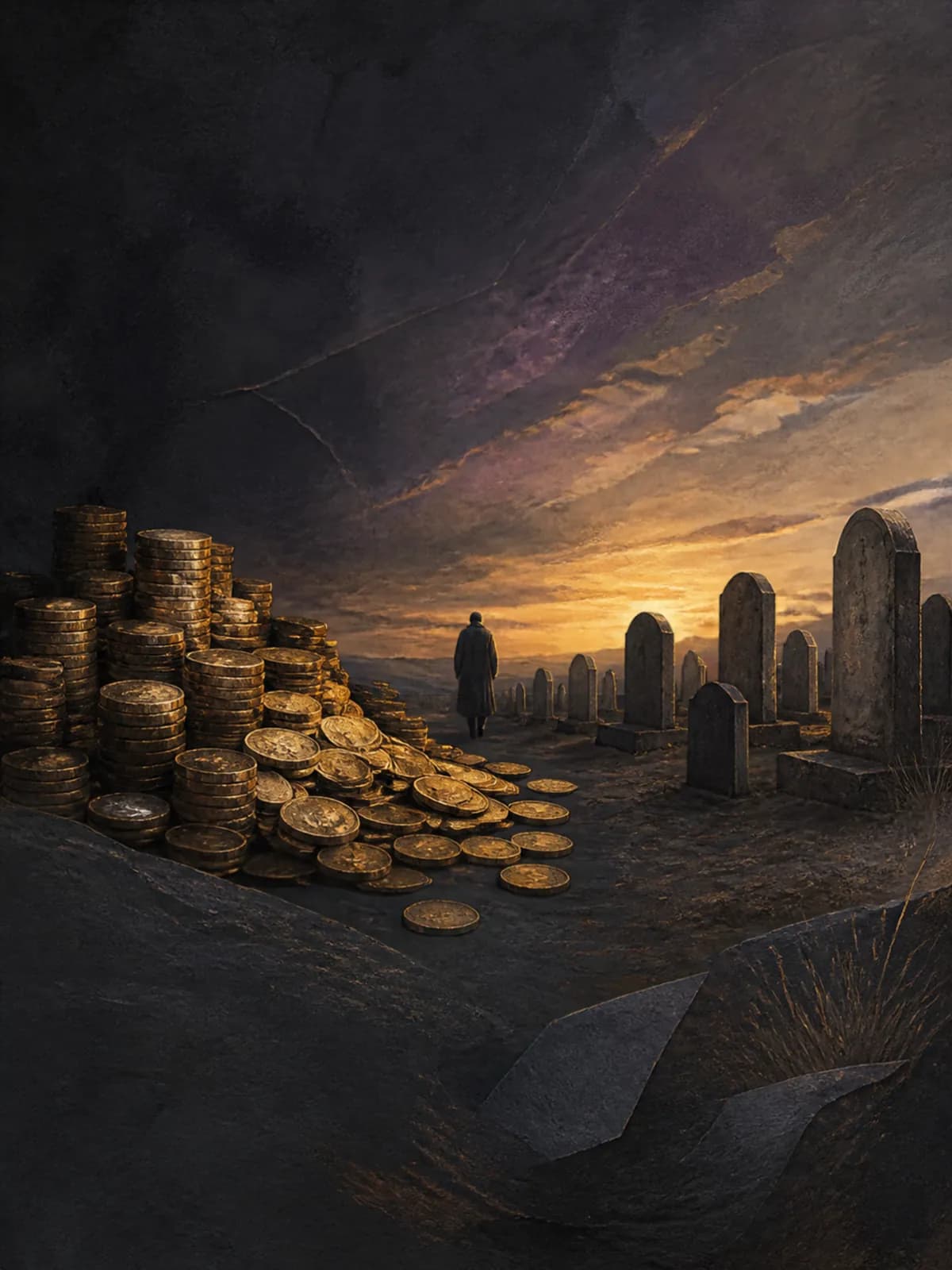
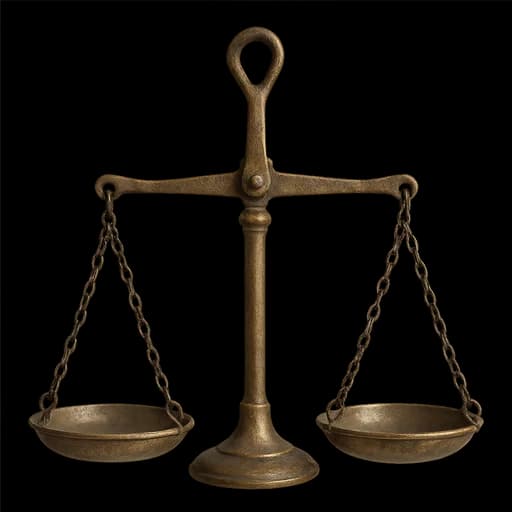
His message began with what every messenger brought: "O my people, worship GOD; you have no other god beside Him" (7:85). Then he turned to the sins of their marketplace. He told them to give full weight and full measure and to weigh with an equitable scale. They must not cheat people out of their rights or corrupt the earth after it had been set straight (7:85, 26:181-183). He told them to stop blocking the path of God and turning believers away from it (7:86). He also told them to seek the Last Day (29:36). He asked for no wage, since his wage came only from the Lord of the universe (26:180). And he reminded them that whatever God provides, however small, is better than dishonest gain (11:86).
His people mocked him. They asked whether his religion required them to give up their parents' religion and run their businesses however they liked (11:87). He answered that he had solid proof from his Lord. He did not do what he told them not to do, and he only wanted to correct as many wrongs as he could (11:88). He warned them not to suffer the fate of the people of Noah, Hûd, Sãleh and Lot, and he urged them to repent (11:89-90). They called him bewitched and a liar, "no more than a human being like us" (26:185-186). They said they would have stoned him if not for his tribe (11:91), and they dared him to bring masses down from the sky (26:187). Some of them believed and some did not. So the arrogant leaders threatened to drive Shu'aib and the believers out of town unless they came back to the old religion. He refused, saying that going back would be blasphemy against God. He put his trust in God and prayed for a decisive victory (7:88-89). He told them to keep doing what they wished and to wait: they would find out who the liar was (11:93).
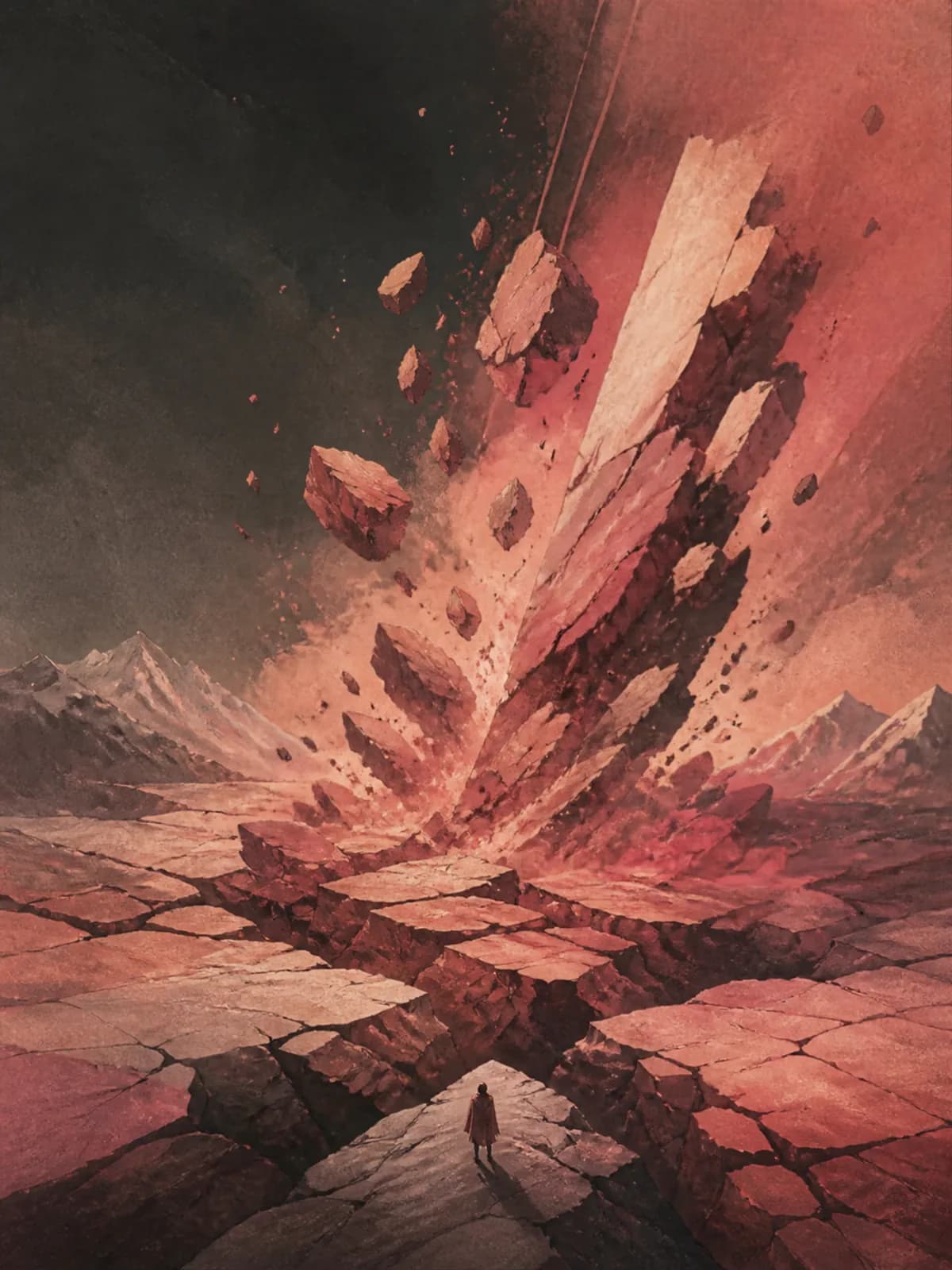
Then God's judgment came. He saved Shu'aib and those who believed with him, by mercy (11:94). An earthquake destroyed the disbelievers and left them dead in their homes by morning (7:91, 29:37). Sura 26 calls it "the retribution of the Day of the Canopy" (26:189). Shu'aib turned away from them, saying he had delivered his Lord's messages and advised them, and asking how he could grieve over disbelieving people (7:93).
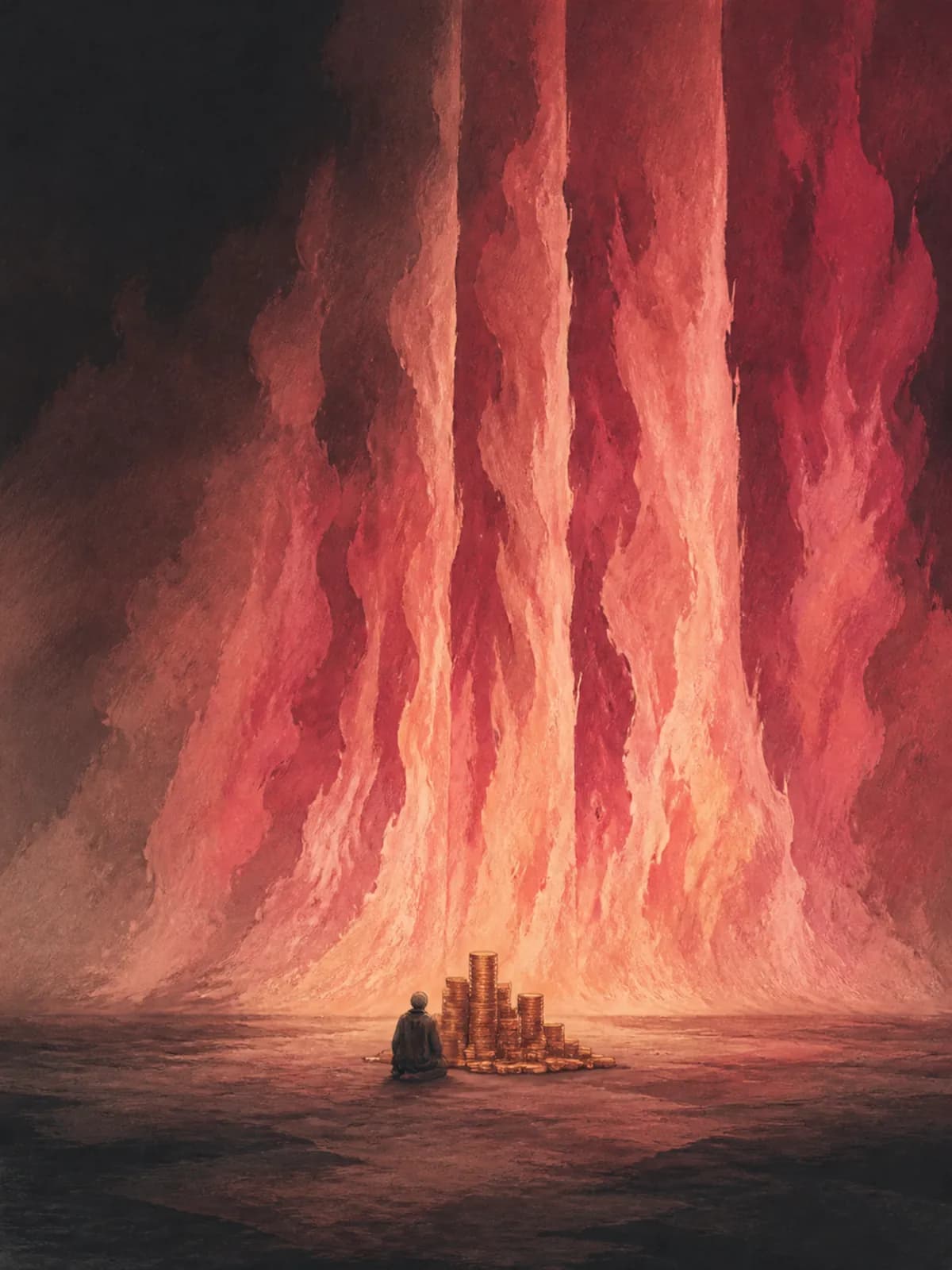
The Quran draws its lessons plainly. "Those who rejected Shu'aib vanished, as if they never existed. Those who rejected Shu'aib were the losers" (7:92). The leaders had warned that following Shu'aib would make people losers (7:90), and in the end the rejecters were the ones who lost. Midyan perished just as Thamûd had perished before it (11:95). The story "should be a lesson, but most people are not believers" (26:190). In the Quran's telling, worshiping God alone and dealing honestly with people are one message. Cheating in trade is treated as part of turning away from God, not as a separate matter.
SubmissionAI can make mistakes. Check the sources.